
A builder in Ahmedabad described his software stack to me like this: leads in a spreadsheet, follow-ups on WhatsApp, bookings in a register, demand letters typed in Word, receipts in Tally, and RERA filings assembled from all of the above in a panic every quarter. He was not disorganised. He had simply never been offered a product that fit.
That gap is the most interesting thing about this market, and it is worth being precise about its edges before I pitch anything.
The floor: generic CRMs
Zoho CRM is a genuinely good product and absurdly cheap for what it does. If you sell a thing to a person and want to track the conversation, it will serve you well for years. HubSpot's free tier is the same story. The trouble is that Indian real estate is not "a thing sold to a person".
It is a unit — with a number, a floor, a facing, a carpet area, and a status that must be true in real time or two salespeople sell the same flat. It is often sold to two or three people jointly, who then pay in unequal shares from different bank accounts. It is paid for against construction milestones, which means a demand letter goes out when the slab is cast, not when a month ends. And every rupee of it is watched by a regulator who wants a quarterly report.
A generic CRM can be bent into all of that with custom fields and a consultant. Builders who have tried it will tell you what it costs in maintenance and in trust — the moment the sales team stops believing the availability chart, they go back to WhatsApp.

The ceiling: the enterprise suites
Sell.Do is the serious answer at the other end, and it deserves credit rather than a cheap shot. It was built for Indian real estate by people who understand it, it handles the sales funnel and post-sales properly, and large developers run on it for good reason. LeadRat has carved out a real position too, particularly on lead management and channel-partner workflows.
The issue for a small builder is not quality. It is fit and price. Sell.Do quotes rather than publishes; the figures that circulate for a builder-sized deployment sit in a ₹20,000–₹60,000 a month band depending on projects and seats. Treat that as a range and not a quote — ask them directly, they will tell you honestly. But run the arithmetic anyway: for a firm with three towers and nine people selling, that is a meaningful monthly line item plus an implementation project, plus the internal cost of the person who becomes the system's caretaker.
Enterprise software is priced for enterprises. That is not a scandal — it is just a mismatch.
The mid-market builder isn't underserved because nobody built good software. He's underserved because the good software was built for someone else.
What actually has to be in the product
If you are that builder, here is the honest specification — the things that, if a product doesn't do them, no amount of CRM polish will save it:
- Live unit availability that the sales team believes, because it is the same record the booking is written against.
- Co-buyer part-payment splitting: one unit, two or three buyers, unequal shares, separate receipts, one ledger that still adds up.
- Construction-linked demand letters generated from the milestone, with interest on delay computed the way your agreement says — not typed by hand each time.
- Collections that reconcile cleanly, because RERA expects the project account to tell a coherent story.
- The quarterly RERA filing — GujRERA's Form 8 and its state cousins — assembled from the bookings and collections you already recorded, not reconstructed from four spreadsheets in the last week of the quarter.
- Channel-partner attribution and commission, including the agent's RERA registration number, because Section 9 obligations do not care that the agent is your cousin's friend.
- Leads from 99acres, MagicBricks and your own site landing in one queue with a source you can actually report on.
Look at that list and you can see why the generic CRM loses. Items two through six are not CRM features. They are real estate features that happen to live next to a CRM.
Where BizRevolt sits, and where it doesn't
We built the real estate workspace for exactly the firm in the middle: one to three live projects, a handful of salespeople, a partner or two doing collections and RERA, and no appetite for a six-week implementation. Units, bookings, co-buyer splits, construction-linked demand letters, collections, channel-partner commissions, agent RERA numbers, and a quarterly filing view that assembles itself.
₹999, ₹1,599 or ₹2,499 per user per month, published, no implementation fee. A nine-person team at the middle tier is a fraction of an enterprise quote, and you can start this afternoon.
I will also say plainly where we are not the answer. If you are running fifteen projects across four cities with a dedicated CRM administrator and a marketing team buying leads at scale, Sell.Do is a more complete system than ours and you should buy it. We are not trying to win that deal. We are trying to win the builder who is still typing demand letters in Word.
If that is you, tell me what your quarter looks like and I will tell you honestly whether we help. My number is +91 91 0657 4865 — call it or WhatsApp it, you'll get me, usually inside fifteen minutes.
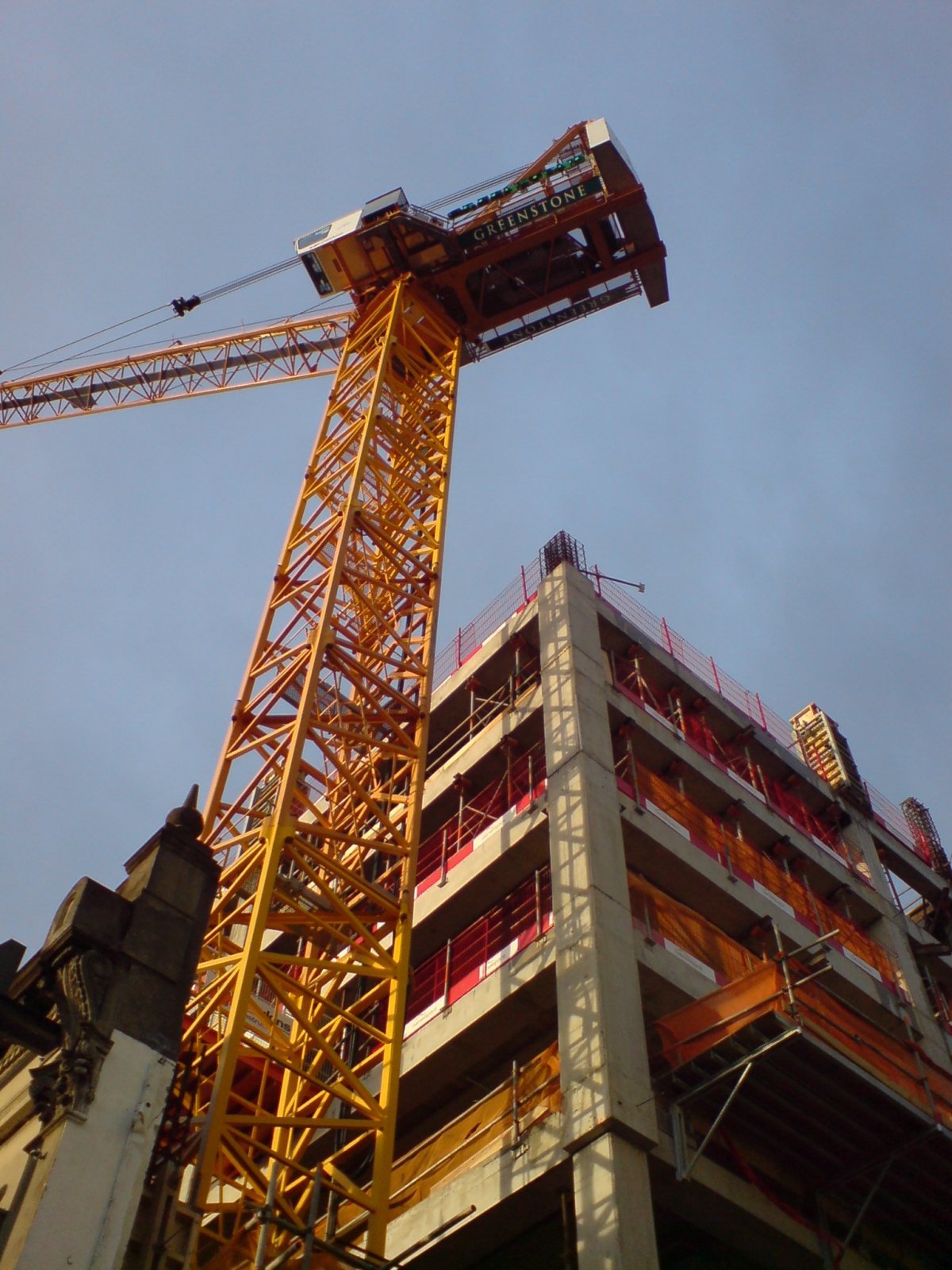
Image credit: Biswarup Ganguly, CC BY 3.0, via Wikimedia Commons.